The Future of Agentic AI in 2027: Is Your Enterprise Ready?
Agentic AI adoption is surging, with 40% of enterprise apps embedding task-specific AI by 2026. Discover how to prepare your SaaS for 2027's autonomous workflows.

What is Agentic AI? Agentic AI refers to autonomous systems capable of reasoning, planning, and executing complex, multi-step tasks without continuous human intervention. Unlike simple chatbots that just answer questions, AI agents can pull data from multiple systems, adjust workflows dynamically, and take actions on behalf of the user to achieve specific goals. By 2027, agentic AI is expected to transform how SaaS enterprises operate, moving from conversational interfaces to fully autonomous orchestration.
Key Takeaways for 2027
✓ Rapid Integration: 40% of enterprise applications will embed task-specific AI agents by the end of 2026, shifting the focus from chat to action.
✓ The Governance Gap: 60% of firms currently running agents lack formal governance structures, presenting a massive security and compliance risk.
✓ Budget Shifts: 88% of senior executives are increasing their AI budgets specifically to capture agentic capabilities and automate workflows.
✓ SaaS Imperative: Embracing multi-agent orchestration will define competitive survival in the B2B SaaS space by 2027.
The Evolution: From Chatbots to Autonomous Agents
For the past few years, the enterprise AI conversation has been dominated by Large Language Models (LLMs) acting as conversational assistants. We typed prompts, and they generated text. However, as we approach 2027, the paradigm is shifting dramatically. We are moving from Generative AI to Agentic AI.
If Generative AI is a brilliant consultant who gives you advice, Agentic AI is an experienced employee who takes that advice, logs into your CRM, updates the customer records, sends a follow-up email, and schedules the next meeting—all without you having to ask twice.
The Core Components of an AI Agent
To understand why this is revolutionary, you have to understand the architecture of a modern AI agent:
- The Brain (LLM): The core reasoning engine that interprets the user's request and breaks it down into a logical plan.
- Memory (Vector Databases): The ability to remember past interactions, user preferences, and enterprise context.
- Tools (API Access): The crucial capability that allows the agent to interact with external software (e.g., creating a ticket in Zendesk or querying a database).
Why is Agentic AI Outpacing Readiness?
Roughly 75% of enterprise leaders report their organizations are actively exploring or adopting agentic AI. While the eagerness to harness autonomous systems is widespread, many enterprises find that their internal infrastructure and readiness lag far behind the technology's rapid evolution. This "chase-catch gap" creates friction between innovation and actual production deployment.
During our conversations with SaaS founders this year, we consistently heard the same refrain: "We have five different AI pilots, but nothing talks to each other." The missing piece isn't intelligence; it's the orchestration layer that allows these agents to access reliable, unified data.
Companies must move beyond simple reactive chatbots. The new mandate is to deploy proactive agents that can handle complex support queries and execute API calls on the user's behalf. If your current AI strategy relies entirely on humans manually reviewing AI outputs before taking action, you are falling behind.
How Will Agentic AI Shift Enterprise ROI by 2027?
It is projected that 40% of enterprise applications will embed task-specific AI agents by the end of 2026. As these tools transition from novelty to necessity, the focus is pivoting sharply toward measurable Return on Investment (ROI). The goal is no longer just cost reduction, but exponential productivity gains.
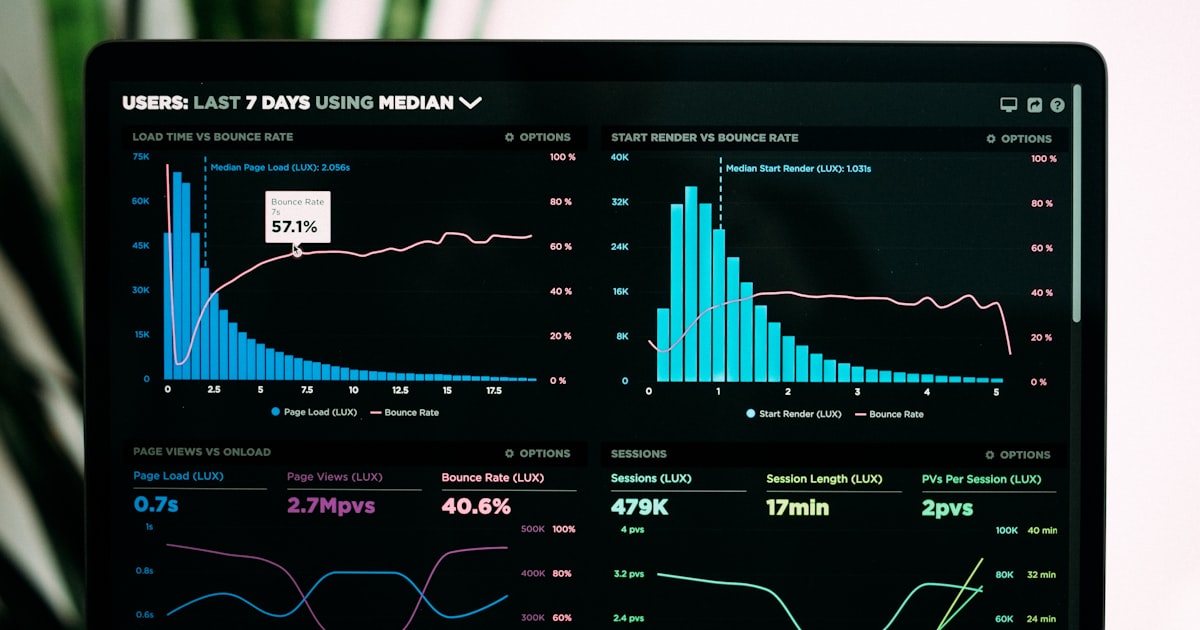
A staggering 88% of senior executives plan to increase AI-related budgets to capture these gains. Yet, ROI remains elusive for those trapped in "pilot purgatory." Organizations that successfully integrate agentic AI into their core workflows are seeing massive reductions in manual labor.
High-Impact Agentic Use Cases for 2027
- Customer Support: Autonomous agents that don't just answer FAQs, but actually process refunds, update shipping addresses, and troubleshoot technical issues by querying backend databases.
- Sales Development: Agents that research prospects, draft hyper-personalized outreach, monitor email replies, and automatically update the CRM when a lead shows intent.
- IT & DevOps: Autonomous agents capable of detecting server anomalies, writing a patch script, testing it in a sandbox, and deploying the fix—all while generating an incident report.
By 2028, 33% of enterprise software applications will include agentic AI natively. This embedded intelligence means that SaaS platforms failing to offer autonomous task completion will quickly lose market share to competitors offering agent-first experiences.
The Governance Gap: What We Learned from Early Pilots
Remarkably, while 72% of firms have agentic AI in production, 60% of them lack formal governance for those systems. This critical vulnerability exposes companies to compliance risks, data leaks, and uncontrolled agent behaviors that can damage customer trust.
We've discovered that the most successful SaaS implementations in 2026 treat AI agents like new employees. You wouldn't give a new hire unrestricted access to your entire database on day one. Similarly, agentic systems require strict role-based access controls (RBAC) and confined operational boundaries.
Analysts warn that without proper risk controls, over 40% of current agentic AI projects could face cancellation by the end of 2027. Building a secure knowledge base and implementing "Human-in-the-Loop" (HITL) failsafes is the first step toward responsible deployment.
Actionable Steps: How Can SaaS Companies Prepare for 2027?
To prepare for 2027, companies must shift their focus from standalone AI tools to orchestrated, multi-agent systems. The future belongs to integrated architectures where a support agent can seamlessly hand off a task to a billing agent, which then updates the CRM—all without a human clicking a single button.
If you are a technology leader looking to future-proof your product, follow this checklist:
- Audit Your APIs: Agents rely entirely on APIs to take action. Ensure your internal APIs are well-documented, standardized, and secure.
- Implement RAG (Retrieval-Augmented Generation): Do not rely on an LLM's baseline training data. Connect your agents to a secure, real-time vector database containing your specific enterprise knowledge.
- Establish "Human-in-the-Loop" Workflows: For high-stakes actions (like processing large financial transactions or deleting user accounts), configure your agents to pause and request human approval before execution.
- Partner with Native Solutions: Instead of building an orchestration engine from scratch, evaluate platforms like Niftact that offer secure, grounded agentic interactions natively tied to your existing tech stack.

Frequently Asked Questions
What is the difference between Generative AI and Agentic AI?
Generative AI creates content (text, images, code) based on human prompts, requiring continuous human steering. Agentic AI takes autonomous actions to achieve a high-level goal, making its own decisions about which tools to use and when to use them.
Why are so many agentic AI projects at risk?
Analysts warn that over 40% of current agentic AI projects could be cancelled by 2027 due to a lack of formal governance, data privacy concerns, and unclear ROI tracking. If agents cannot prove they save time or generate revenue safely, they will be decommissioned.
How can I ensure my AI agent doesn't hallucinate?
Using Retrieval-Augmented Generation (RAG) restricts the AI to only use your verified data. Furthermore, providing agents with strict system prompts, guardrails, and limiting their tool access ensures they maintain strict context discipline and data accuracy.
Conclusion: Orchestration is the New Standard
The era of simple, scripted chatbots is definitively over. As we look toward 2027, the enterprise landscape will be defined by those who master agentic AI orchestration. The companies that win will be the ones that empower their customers with autonomous agents capable of executing complex workflows instantly and securely.
To prepare, organizations should start building strict governance frameworks today and focus on measurable ROI through task automation. Book a Strategy Demo to see how Niftact can future-proof your support operations.
Ready to deploy secure, agentic support? Create your Niftact Assistant today
Subscribe to our Newsletter
Get the latest insights on conversational AI and customer support delivered straight to your inbox. No spam, unsubscribe anytime.


